Understand the house before you bring it to market
Selling a home involves decisions before the first showing: what to disclose, what to address, and what to leave for a buyer to evaluate. I provide pre-listing inspections to give you a current, observational picture of accessible parts of the property before it goes on the market. The report can help you plan questions and conversations with your real estate professional or appropriate specialists. It is not a promise that every issue will be found, a repair prescription, or a substitute for a buyer’s own inspection.
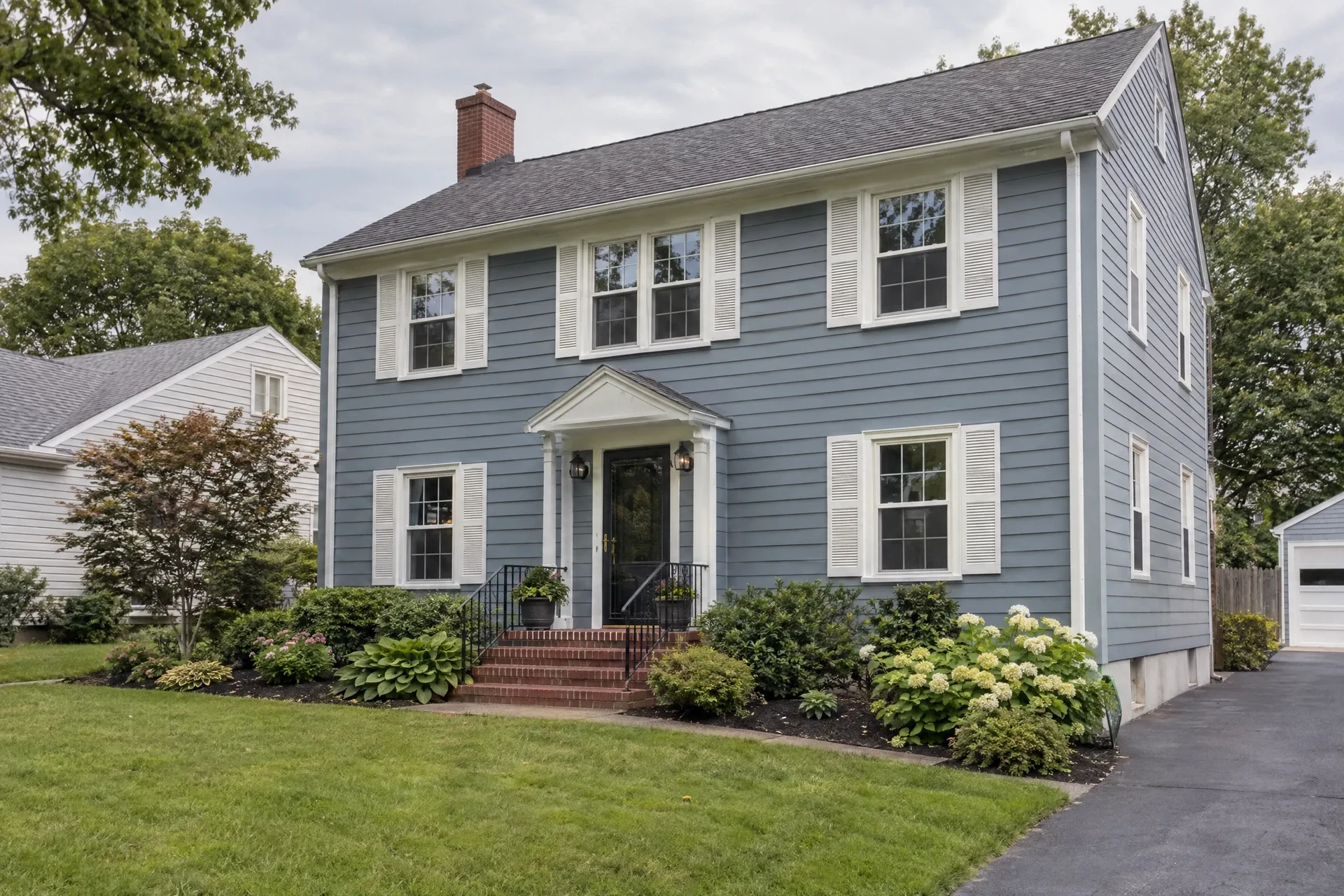
A representative porch-front home illustrates the seller-focused inspection planning process.
Seller-focused perspective
Use observations to organize decisions before listing, not to predict a buyer’s response.
Plain-language reporting
Digital, full-color photos and explanations help make findings easier to review.
Independent buyer review
A prospective buyer may still choose a separate inspection and further evaluations.
A planning tool, not a sale guarantee
A pre-listing inspection can help you learn about observable conditions while there is time to consider options. I look at visible, accessible areas and systems, including roof, exterior, attic, foundation, basement or crawlspace, structure, electrical, plumbing, heating and cooling, and interior. What can be observed depends on access and conditions that day.
This is information, not a pass-or-fail verdict. An inspection cannot reveal every hidden defect, establish that a home is perfect or safe, guarantee a sale price, or promise a faster transaction. You and your advisers decide how findings fit your plans, disclosures, and listing strategy.
Prepare the home and useful information
Arrange access to the house and areas you want included, such as attic, basement, crawlspace, and electrical panel where safely accessible. Unlock doors or gates, secure pets, and clear belongings from equipment and surfaces. I do not move stored items or dismantle finishes to see behind them.
Gather available maintenance records, manuals, permits, receipts, or notes about a known leak or recurring concern. These provide context but do not verify concealed work. Tell me what you have noticed and where; specific questions help focus observations within scope, while I still consider the accessible house as a whole.
Access shapes what can be observed
The inspection is visual and noninvasive. Belongings, locked rooms, snow, finishes, unsafe conditions, or equipment that cannot be operated may limit observation. I will note relevant access limits rather than imply an obscured area was examined. Improve access beforehand when safe; do not remove safety barriers or attempt hazardous work.
I observe accessible components at that time. I do not open walls, predict system life, verify code or permit compliance, or test every possible operating condition. This snapshot cannot show how a building behaves in every season. Consider these limits when reviewing both reassuring observations and items needing follow-up.
Read the report as a working reference
My digital report uses full-color photos and plain explanations to describe concerns, priorities, maintenance observations, and items that may need further evaluation. Read narrative and photos together: an image records one view, not a complete diagnosis. The report helps you understand observations; it does not rank the home or dictate repairs.
Note which items need clarification, routine upkeep, or a specialist’s opinion, and consider the report’s access notes. Specialists may use methods outside a home inspection and reach a more specific conclusion after testing or opening a component. Keep the report and property records available for discussions with your real estate professional.
Choose follow-up thoughtfully
Some findings may prompt maintenance; others may justify asking a trade professional or specialist to assess a component. A plumbing observation could prompt a plumber’s evaluation, or a roof observation a roofer’s closer review. These are possible next steps, not automatic repair recommendations or proof of a larger defect.
If you make repairs, keep invoices and related documentation; a repair does not prove every related condition is resolved. You and your advisers can decide whether further evaluation or work fits your circumstances. I report inspection observations; I do not provide repairs, determine market value, or make decisions for you.
A buyer may inspect independently
Sharing your report may explain what you learned, but it does not remove uncertainty or settle what a buyer should investigate. A prospective buyer may hire an inspector, ask different questions, seek access to previously unavailable areas, or request specialist evaluations. Conditions can change, and timing or access may lead to additional observations.
A buyer’s inspection is separate and supports that buyer’s decisions. My report is not a certification, warranty, or guarantee of future condition. For disclosure, negotiation, or response questions, consult your real estate professional or legal adviser. The inspection can inform those conversations but cannot replace their guidance or promise an outcome.
Before we take a closer look
Questions worth asking.
Should I attend the pre-listing inspection?
You may attend if practical; your questions can add context. Allow me to complete the inspection without rushing. The written report records observations and limitations for later reference.
Does the report tell me which repairs to make?
It documents visible conditions and may flag maintenance or further evaluation. It is not a repair plan or a decision about what is worthwhile. Discuss options with qualified professionals and your advisers.
Will this replace a buyer’s inspection?
No. A buyer may arrange an independent inspection and specialist evaluations. My report reflects its own access and timing; it cannot guarantee what another inspection will find.
The right scope for your home
Some questions
go a little deeper.
Different services answer different questions. Choose the investigation around the property—not the other way around.
Your next step
Start with your property’s questions.
If you are preparing to sell in the Syracuse, Auburn, Tully, Cortland, Dryden, Ithaca, or Finger Lakes area, contact me to discuss the property and how to prepare for a pre-listing inspection.