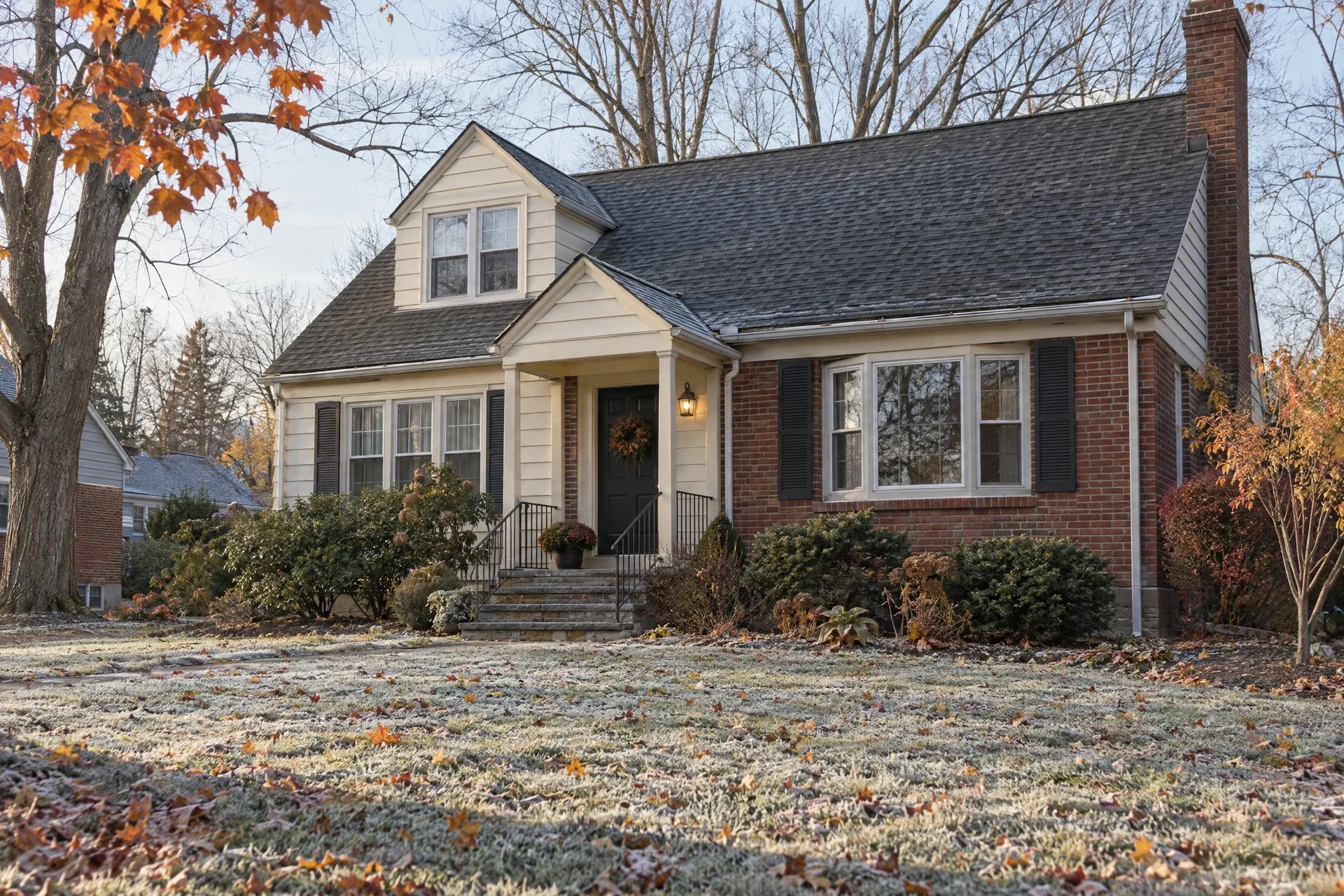
A November showing in Cortland can feel different from a summer walk-through: frost, shorter daylight, and snow or ice may change what is safe to reach. I plan around conditions on the inspection date and explain what I could observe, rather than treating a winter visit as a forecast of how the house will perform. Before the appointment, ask the seller or agent what will be operating and accessible.
Plan access before the appointment
Ask that utilities remain on and heating equipment be reachable, if the transaction allows. Clear safe routes to the entry, basement, attic access, and mechanical area with the owner’s permission. I do not move possessions or force entry into a locked, icy, or unsafe area. If snow, storage, or a shut-down system blocks an observation, I can document that limit.
Find out whether the home is occupied, vacant, or recently winterized. A vacant property may have systems shut down or water service altered, so normal operation may not be possible. Ask the agent to confirm what is on, what is intentionally off, and any access instructions.
Use the heating system as a conversation starter
When conditions and access permit, I operate heating equipment using normal controls and report what I observe. That is not a seasonal tune-up, combustion analysis, or promise that every room will stay comfortable through winter. Note whether the equipment responds and ask the seller about recent service, repairs, and available records.
If equipment is switched off, cannot be operated safely, or does not respond, the report should distinguish that limitation from an observed defect. A heating contractor can handle maintenance or diagnose performance questions beyond an inspection’s scope. Knowing the service history and planning specialist follow-up is more useful than guessing from age or appearance.
Read roof observations in the weather context
I observe readily accessible roofing materials and related features, but winter conditions can restrict the view. Snow, ice, wet surfaces, or unsafe footing may make roof access inappropriate. New York standards do not require an inspector to walk a roof when that could cause damage or create a safety risk. The report should explain the observation method, such as viewing from the ground.
Ask whether the seller has invoices or other records for roof work and when repairs were completed. Records add context but do not replace what is visible on inspection day. If snow conceals a section or the viewing angle is limited, discuss a later safe observation or a roofing contractor’s evaluation. A visual inspection cannot certify remaining roof life.
Ask the seller about cold-season operation
Ask specific questions: Has the heat been interrupted? Which rooms have felt unusually cold? Were there repairs to the furnace, boiler, chimney, or fuel supply? Has the property been vacant or winterized? Request available service paperwork and clarify dates. Answers provide context, not proof; I report visible conditions rather than verify every statement or reconstruct the home’s full history.
Also note conditions that affect access, such as snow at an entry, a blocked utility room, or stored items beneath an attic hatch. Do not ask anyone to climb icy surfaces or move heavy belongings for an inspection.
Turn the report into a winter-ready plan
An inspection describes readily accessible, observed conditions on that date; it is not a pass/fail decision, code certification, or guarantee of future performance. Use the report to prioritize questions, request relevant records, and decide whether a specialist should evaluate a concern. For help organizing findings, read my practical guide for buyers.
I bring a construction background to my inspections, but every home has its own history and constraints. Basements & Above serves Cortland and nearby Central New York communities. Buying in Cortland before winter? Call (607) 749-6610 or contact me to discuss the inspection process and arrange an appointment.
Further reference
General reading is not a substitute for an inspection of the actual property. Conditions and access vary; ask about the scope that fits your home.